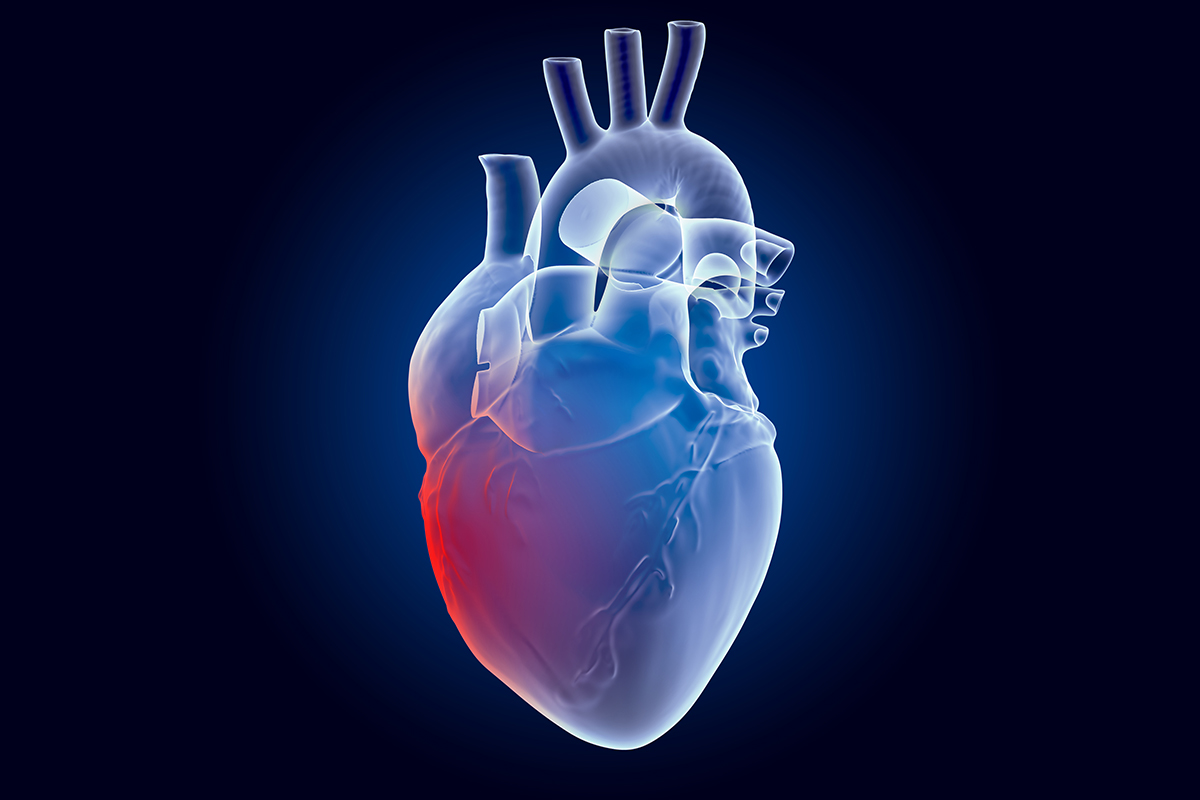
My heart was racing…She has a big heart…Follow your heart…His heart skipped a beat…Young at heart…
The heart is one of the body’s most vital organs, so it’s no surprise that it has become such a big part of our everyday vernacular. Unfortunately, that’s where a lot of discussions of the heart stop.
According to the CDC, “Heart disease is the leading cause of death for men, women, and people of most racial and ethnic groups in the United States,” and in the U.S., someone has a heart attack every 40 seconds.
I am grateful every day that I am not part of that statistic. But I could have been.
Many of you know that a few years ago I underwent coronary bypass surgery after a proactive health check revealed quite significant blockage in my arteries. I consider myself to be a healthy, extremely health-conscious individual. Sure, I’ve liked my red meat in the past, but I eat my greens, I exercise every day, I take my vitamins.
Sometimes, the body just doesn’t care. Sometimes, what we do isn’t enough. Sometimes we picked our parents wrong and were handed a set of genes that left us with a predisposition to heart conditions.
What matters, however, is what we do about it. I was lucky enough to discover my issue before experiencing a heart attack or stroke. Many people aren’t that lucky. Many people think they’re doing great, until they aren’t.
Heart health should be a top priority from a young age, and as we get older, should only climb in order of importance. Primary Care Physicians will check your blood pressure, heart rate and sometimes your cholesterol, but those aren’t the only metrics to monitor, nor the only warning signs our bodies give us when our heart health is trending in the wrong direction.
Our hormones play a fundamental role in our cardiovascular system and heart health. Signs of insulin resistance can lead to changes in metabolism that ultimately impact heart function. Thyroid imbalance (hypothyroidism) can affect heart rate, blood pressure and circulation, change elasticity of arteries, and beyond. Elevated lipids are a risk factor for coronary heart disease. The list goes on.
In functional medicine, we address heart health from this comprehensive viewpoint, working with patients to understand the myriad of factors that can tell us how our heart is doing, and give us some insight about how to proactively support a healthy cardiovascular system.
If you’re interested in learning more about your heart health, give us a call today. When it comes to matters of the heart, no one likes surprises.