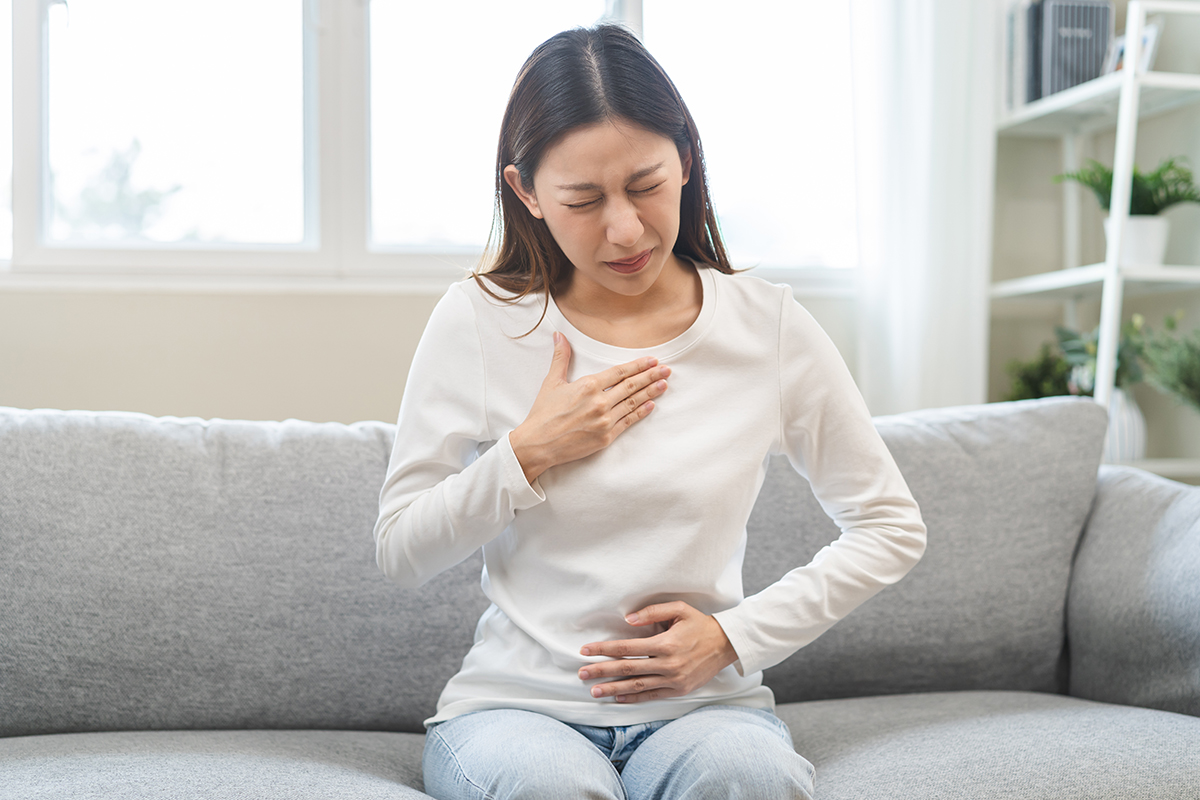
February is not only American Heart Month it’s also an important time to spotlight women’s heart health, specifically. When it comes to heart attacks, the majority of medical research is focused on men. But the reality is, women often experience heart attack and heart symptoms differently than men. This means the medical community could easily miss or misdiagnose women who are having a heart attack.
Men often present with what I now consider “classic male” signs and symptoms of a heart attack. These are the red flags you are probably are already familiar with: Chest pressure and pain, often radiating to the neck, jaw and left arm. These are serious and should not be ignored.
However, while squeezing in the chest and chest pain can be symptoms of a heart attack in women, there are a variety other symptoms women may experience that have nothing to do with chest pain. We call these an angina equivalent or “chest pain” equivalent. These signs and symptoms can include:
- Stomach distress
- Heartburn
- Burping
- Pain in the back
- Pain and tingling in both arms
- Shortness of breath
For women, these signs are perhaps even more common than pure chest pain. I have also found women describe feeling very unwell, like they have the flu, or a sense of uneasiness or impending doom. If a woman experiences these signs and symptoms she shouldn’t wait to see if they resolve on their own, she should dial 911 or go to the emergency room for an evaluation.
Symptom differentials aside, men and women both face a variety of risk factors that can lead to inflammation, hardening and clogging of arteries. When the arteries that deliver blood to the heart muscle are clogged, the heart can’t function normally, which can lead to heart damage or heart attack. Cholesterol is the most well-known culprit. However, when high cholesterol gets linked up with the likes of tobacco, prediabetes or diabetes, hormone imbalances, uncontrolled blood pressure, inflammation, poor diet, lack of exercise, unbalanced stress, or a lack of certain vitamins and nutrients—whether it’s one of these factors or all them, they can quickly add up to life-threatening heart disease.
Women and men should know what aspects of their life may be putting them at risk for heart disease. It may not just be about eating healthier or getting more cardio, while those are never a bad place to start. But those are just the tip of the iceberg. Other elements like cholesterol, glucose levels, hormones and a host of nutraceuticals—including omega fatty acids, vitamin D3 and folic acid—are lurking unseen under the surface, and play a major role in supporting, or deterring, good heart health. The good news is, there is a world of medicine out there designed to help look at this, with experts available today to see where healthy changes can be made to support a long, happy life.
Remember, while February is American Heart Health month, heart health is something we should focus on every day. It’s simply too important to ignore or put off until next year.